

Disclaimer: The Lifestyle Elf. This site provides fashion and lifestyle content for informational purposes only.
Luxury is often misunderstood as something distant, expensive, or reserved for rare occasions. In reality, the most meaningful forms of luxury tend to be small, intentional choices that quietly improve everyday life. These moments don’t require grand plans or major purchases. Instead, they come from slowing down, paying attention, and choosing experiences that make daily routines feel richer and more personal.
When small pleasures are woven into ordinary days, they create a rhythm of comfort, enjoyment, and anticipation. A thoughtfully planned break, a sensory treat, or a moment of calm can shift how a day feels from rushed to rewarding. Over time, these seemingly minor upgrades add up, shaping a lifestyle that feels more grounded and more enjoyable.
The sections below explore practical ways to introduce small luxuries into daily life. Each idea is designed to be accessible, repeatable, and meaningful, helping turn ordinary moments into experiences that feel special without feeling extravagant.
1. Create Intentional Downtime Instead of Accidental Breaks
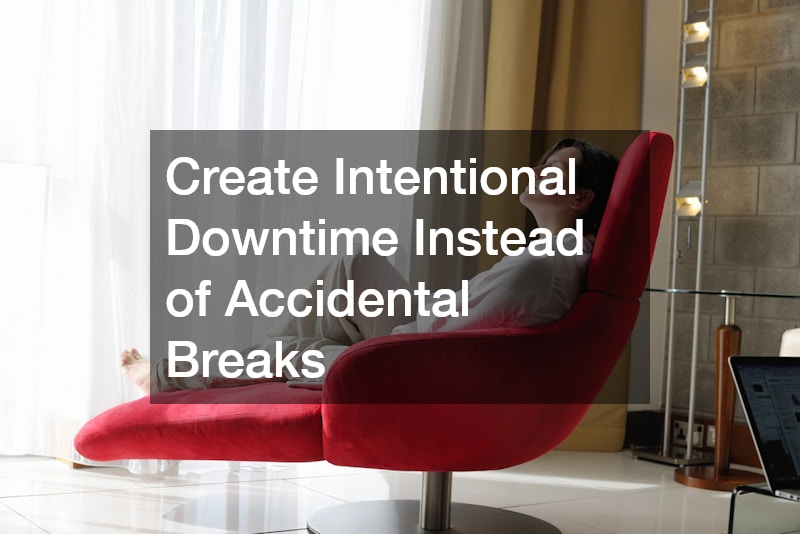
Rest often happens by accident rather than design. People collapse into downtime after exhausting themselves, which rarely leads to true relaxation. Intentional downtime, on the other hand, is planned, protected, and treated as a valuable part of the day. When rest becomes deliberate, it becomes more restorative and satisfying.
One way to approach intentional downtime is by setting aside specific windows for relaxation rather than waiting until energy is depleted. This could mean reserving an evening hour for quiet activities, disconnecting from notifications, or creating a comfortable environment that signals it’s time to slow down. Some people enhance this ritual with thc edibles as part of a carefully planned evening routine, focusing on moderation, comfort, and mental decompression rather than distraction.
The key is consistency and intention. Downtime should feel like a choice, not a crash landing at the end of the day. When rest is planned thoughtfully, it becomes a luxury that supports emotional balance and improves how the rest of the day unfolds.
Intentional downtime also helps recalibrate expectations around productivity. When rest is treated as something earned only after exhaustion, it reinforces cycles of burnout rather than recovery. By contrast, scheduling rest as a proactive choice teaches the nervous system that calm is safe and allowed. This shift improves focus, patience, and emotional regulation throughout the rest of the day. Over time, people who protect their downtime notice they are less reactive and more present during work and personal interactions. Rest stops being a guilty pleasure and becomes a functional part of living well.
2. Turn Routine Stops Into Mini Experiences
Errands are often rushed, treated as obstacles between more important activities. This mindset strips them of any potential enjoyment. By reframing routine stops as small experiences, everyday tasks can become moments of interest rather than obligations.
A visit to a dispensary, for example, doesn’t have to be a transactional dash in and out. It can become an opportunity to learn, ask questions, and explore preferences more thoughtfully. Approaching these stops with curiosity turns them into educational and even enjoyable experiences rather than chores.
Treating routine outings with more presence encourages slower decision-making and deeper engagement. Over time, this shift reduces stress and adds pockets of enjoyment throughout the week. Small changes in perspective can turn repetitive tasks into moments that feel intentional and even rewarding.
Ritualizing routine stops can also reduce mental fatigue caused by constant decision-making. When familiar places are approached with curiosity instead of urgency, they become grounding reference points in the week. These stops create small anchors that break long stretches of monotony. Even brief moments of conversation, learning, or reflection can elevate mood and foster a sense of continuity. Over time, these micro-rituals make daily schedules feel less chaotic and more intentional. The result is a rhythm that supports calm rather than constant acceleration.
3. Slow Down Purchases to Increase Satisfaction

Impulse buying often leads to short-lived satisfaction. Slowing down the purchasing process, however, can increase enjoyment and reduce regret. Taking time to understand options, ask questions, and reflect on choices makes even small purchases feel more meaningful.
At a cannabis dispensary, this slower approach can transform the experience. Learning about product differences, effects, and personal preferences adds depth to the decision-making process. Instead of feeling rushed, customers gain confidence and clarity, which enhances satisfaction long after the purchase is complete.
When buying becomes an experience rather than a transaction, it creates a sense of involvement and intention. This approach can be applied to many areas of life, helping everyday decisions feel more deliberate and aligned with personal values.
Slowing down purchasing decisions also encourages better alignment with personal preferences and values. When people take time to understand what they’re choosing, satisfaction increases while regret decreases. This process builds confidence and awareness, which carries over into other areas of life. Mindful purchasing helps people notice patterns in what truly supports their well-being versus what provides only temporary excitement. Over time, this awareness leads to fewer impulsive choices and more meaningful ones. The act of choosing becomes just as rewarding as the outcome itself.
4. Introduce Novelty Through Sensory Experiences at Home
Novelty is a powerful driver of joy. Even small changes can stimulate curiosity and break the monotony of daily routines. Sensory experiences, especially those involving taste and texture, are particularly effective at making ordinary moments feel special.
An exotic fruit box offers an easy way to introduce novelty at home. Unfamiliar flavors and textures encourage mindful eating and exploration. Turning the experience into a tasting session, shared moment, or themed evening adds another layer of enjoyment and connection.
These experiences don’t need to happen often to be impactful. Occasional sensory surprises refresh routine and remind people to slow down and savor the moment. Over time, they create memories tied to simple pleasures rather than elaborate events.
Sensory novelty also strengthens memory and emotional engagement. When experiences involve unfamiliar tastes, textures, or aromas, the brain pays closer attention. This heightened awareness makes moments feel longer and more vivid. Incorporating occasional novelty at home helps counter the dulling effect of routine. It encourages presence, curiosity, and playfulness without disrupting structure. Over time, these experiences remind people that pleasure does not require complexity. Small sensory surprises can make everyday environments feel dynamic and alive again.
5. Use Planning to Reduce Decision Fatigue and Increase Enjoyment
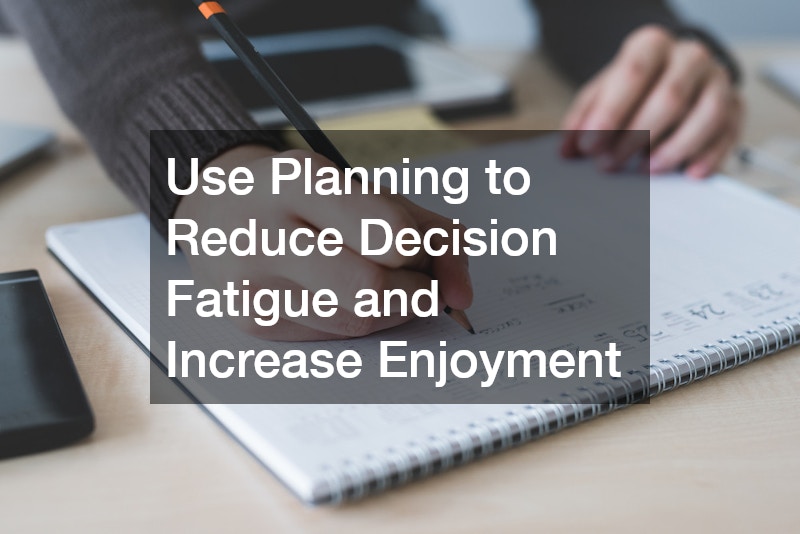
Daily decisions can quietly drain mental energy. Planning ahead removes friction from routine choices, freeing up attention for enjoyment and creativity. Thoughtful preparation can transform meals, evenings, and weekends into smoother, more satisfying experiences.
Creating a weekly menu is a simple but powerful way to reduce stress. Knowing what’s planned eliminates last-minute scrambling and supports healthier, more enjoyable eating habits. It also allows room for intentional indulgence rather than reactive choices.
When planning becomes a supportive structure rather than a rigid rule, it enhances flexibility and comfort. Small efforts made in advance often result in calmer days and more time to enjoy the things that matter most.
Planning also supports flexibility rather than limiting it. When the basics are decided in advance, mental space opens for creativity and spontaneity. This reduces stress while allowing room for indulgence without guilt. A well-planned structure creates confidence, making it easier to adapt when plans change. Over time, this approach builds trust in routines instead of resistance to them. Planning becomes a form of self-care rather than control, helping daily life feel supportive instead of demanding.
6. Buy Back Time by Outsourcing Strategically
Time is one of the most valuable resources, yet it’s often spent on tasks that drain energy rather than add value. Strategic outsourcing allows people to reclaim time for rest, relationships, and meaningful activities. This shift can feel like a significant lifestyle upgrade without major expense.
Choosing the right delivery company can remove recurring stressors from daily life. Reliable services reduce the mental load of errands and logistics, making routines smoother and more predictable. The time saved can be redirected toward rest, hobbies, or connection.
Outsourcing doesn’t mean avoiding responsibility. Instead, it’s about aligning time and energy with priorities. When used thoughtfully, convenience becomes a tool for balance rather than indulgence.
Outsourcing strategically also helps reduce invisible labor, which often goes unrecognized but contributes significantly to burnout. Tasks like scheduling, tracking, and coordinating consume mental energy even when they seem minor. Removing these burdens creates space for deeper rest and more meaningful engagement with others. Over time, people who reduce mental clutter experience improved mood and clarity. Convenience becomes less about speed and more about sustainability. The goal isn’t to do less, but to live better within limited time and energy.
7. Replace Big Vacations With Small, Frequent Escapes

Many people wait months or years for a major vacation to recharge. While travel can be enriching, relying solely on infrequent getaways often leads to prolonged burnout. Small, local escapes can offer similar benefits with less stress and planning.
Spending time on a pontoon boat is one example of an accessible escape. It provides fresh air, social connection, and a change of scenery without the complexity of long travel. These outings offer mental reset and physical relaxation in a manageable format.
Frequent small escapes create regular opportunities for joy and restoration. They reinforce the idea that relaxation doesn’t need to be postponed or overcomplicated. Over time, this approach supports a more balanced and enjoyable lifestyle.
Small escapes also strengthen social bonds in a low-pressure environment. Shared experiences without rigid schedules encourage conversation, laughter, and genuine connection. These moments often feel more restorative than formal events or crowded destinations. Regular, simple outings build anticipation without exhaustion. Over time, they become woven into life as dependable sources of joy. The emphasis shifts from planning something impressive to enjoying something accessible. This mindset makes relaxation feel achievable rather than postponed.
8. Build Community Through Consistent Small Indulgences
Luxury isn’t always about personal enjoyment. It can also come from feeling connected to a community. Supporting local businesses adds meaning to everyday purchases and fosters a sense of belonging.
A visit to a local bakery can become a weekly ritual rather than an occasional treat. Familiar faces, seasonal offerings, and shared routines create comfort and continuity. These small indulgences support local economies while enriching personal routines.
Consistent small indulgences also foster gratitude through familiarity. Repeated positive experiences deepen appreciation rather than diminishing it. Over time, these routines become comforting touchstones that anchor the week. They offer predictability in a world that often feels unstable. Supporting familiar places builds emotional continuity alongside enjoyment. This sense of belonging enhances daily satisfaction and reinforces the idea that luxury can be communal, not just personal.
9. Find Comfort and Structure Through Animal Companionship
Pets introduce rhythm, comfort, and emotional grounding into daily life. Their presence encourages routines, mindfulness, and moments of calm. For many people, animal companionship is a deeply rewarding form of everyday luxury.
Living with a maine coon often brings both companionship and structure. Regular feeding, grooming, and playtime create natural pauses in the day. These moments offer connection and responsibility that anchor daily routines.
Animal companionship also encourages emotional regulation through routine and responsiveness. Pets require attention, consistency, and care, which naturally structure the day. These interactions provide grounding moments that interrupt stress and rumination. Over time, the presence of an animal fosters patience, empathy, and emotional awareness. These qualities carry into human relationships and work life. The comfort animals provide is quiet but profound, shaping daily life in subtle, stabilizing ways.
10. Add Gentle Movement That Feels Like Play
Exercise is often framed as a chore or obligation. When movement feels like play, it becomes easier to maintain and more enjoyable. Gentle, enjoyable activities support physical health without adding pressure or stress.
Incorporating a paddleboard habit introduces movement in a relaxed, engaging way. Time on the water encourages balance, focus, and calm while providing light physical activity. It blends exercise with nature and leisure seamlessly.
Playful movement also improves long-term consistency by reducing pressure. When activity feels enjoyable, people are more likely to return to it regularly. This builds strength, balance, and confidence gradually without burnout. Movement becomes something to look forward to rather than avoid. Over time, physical activity integrates naturally into daily life instead of competing with it. This approach supports both physical and mental health while reinforcing the idea that care can feel good, not obligatory.
Extraordinary days are rarely the result of dramatic changes or lavish spending. More often, they are shaped by small, thoughtful choices repeated over time. Intentional rest, mindful indulgence, and meaningful routines quietly transform how daily life feels.
By identifying which small luxuries resonate most, anyone can begin to build days that feel richer and more satisfying. These choices don’t require perfection or consistency at every moment. They simply require attention, intention, and a willingness to prioritize enjoyment alongside responsibility.
When ordinary days are treated with care, they become something to look forward to rather than rush through. Over time, these small luxuries shape a lifestyle that feels balanced, grounded, and genuinely fulfilling.
