
Disclaimer: The Lifestyle Elf. This site provides fashion and lifestyle content for informational purposes only.
Figuring out what to wear for a big meeting, a friend’s wedding, or a lazy Saturday can feel like solving three different puzzles at once. Most people don’t need a personal stylist so much as a simple framework that flexes with their week. This guide walks through practical, real-world ways to build a wardrobe and self-care routine that carries you confidently from the office to the dance floor to your own living room. By the end, you’ll have a clearer sense of what to buy, what to skip, and how to plan ahead so getting dressed never feels stressful again.
Defining Your Personal Style Foundation
Before buying anything new, it helps to take stock of what you already own and how it makes you feel. Confidence in dressing usually comes from consistency, not from having the trendiest pieces in your closet. Start by identifying two or three colors and silhouettes that you gravitate toward naturally, since these will form the backbone of every outfit you build going forward.
Think of your wardrobe in terms of categories rather than individual outfits. This makes it far easier to mix and match without overthinking each morning.
- Core neutrals like navy, gray, and white that pair with almost anything
- One or two accent colors that reflect your personality
- Versatile layering pieces such as blazers or cardigans
- A handful of statement items reserved for special occasions
Dressing for Success in the Workplace
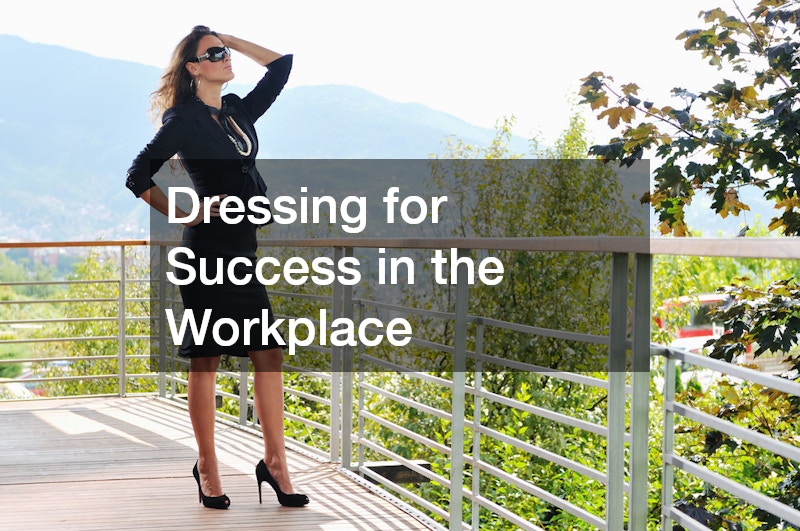
Office dress codes have loosened considerably in the last decade, but that doesn’t mean anything goes. The safest approach is to dress slightly more polished than the minimum expectation, since it signals professionalism without looking overdressed. A good rule of thumb is the “one notch up” rule: if the office is casual, aim for smart-casual; if it’s business casual, lean toward business formal on important days like client meetings or presentations.
Fit matters more than price here, so a well-tailored basic will always outperform an expensive item that doesn’t sit right on your frame. A $40 shirt that skims your shoulders correctly and hits the right length will read as more put-together than a $200 shirt that’s baggy or too tight. Pay particular attention to shoulder seams, sleeve length, and trouser break, since these details are what separate “professional” from “just wearing clothes.”
Building a small rotation of five to seven interchangeable pieces — think tailored trousers, a blazer, and two or three versatile tops — also makes it easier to look consistently sharp without overthinking outfits each morning.
If your workplace has a hybrid schedule, it’s worth building a rotation that works for both in-person and video meetings. Think in terms of 3-4 interchangeable pieces, like two blouses, one blazer, and one pair of tailored trousers, that can mix and match without repeating an obvious outfit twice in the same week.
Keep a blazer or structured jacket on hand that instantly elevates a simple shirt for unexpected calls or client visits. Neutral tones like navy, charcoal, or camel photograph well on camera and pair easily with almost anything already in your closet, so you’re never scrambling five minutes before a meeting.
- Invest in properly fitted trousers or skirts as your everyday base, tailored to hit at the ankle or knee for a polished line
- Choose fabrics like wool blends, ponte knit, or wrinkle-resistant cotton blends that hold up through 8+ hour workdays
- Keep one polished outfit ready for last-minute meetings, ideally a blazer paired with neutral trousers that layers over your daily look
- Rotate at least two to three pairs of shoes to avoid excessive wear and let materials fully recover between wears
- Stick to a core neutral palette (navy, charcoal, camel, black) so pieces mix and match without extra planning
- Store a spare set of basics like a blazer, blouse, or tie at the office for spills or unexpected schedule changes
Grooming Routines That Complete Your Look
Clothing only tells half the story, and grooming often makes the biggest visible difference in how put-together someone appears. Regular mens haircuts, for instance, do more to sharpen an overall look than most people realize, since hair frames the face and affects how every outfit reads. Scheduling a trim every four to six weeks keeps the style consistent instead of letting it grow out unevenly between visits.
Skincare and basic maintenance also play a supporting role, even if they feel unrelated to fashion at first glance. A simple routine of cleansing, moisturizing, and occasional exfoliation keeps skin looking healthy under both office lighting and event photography. These small habits compound over time and require far less effort than most people assume.
- Book haircuts on a recurring schedule rather than waiting until it looks overgrown
- Keep facial hair neatly maintained if you choose to keep it
- Use a moisturizer with SPF for daytime protection
- Trim nails and maintain hand care for a finished appearance
Preparing for Weddings and Formal Events
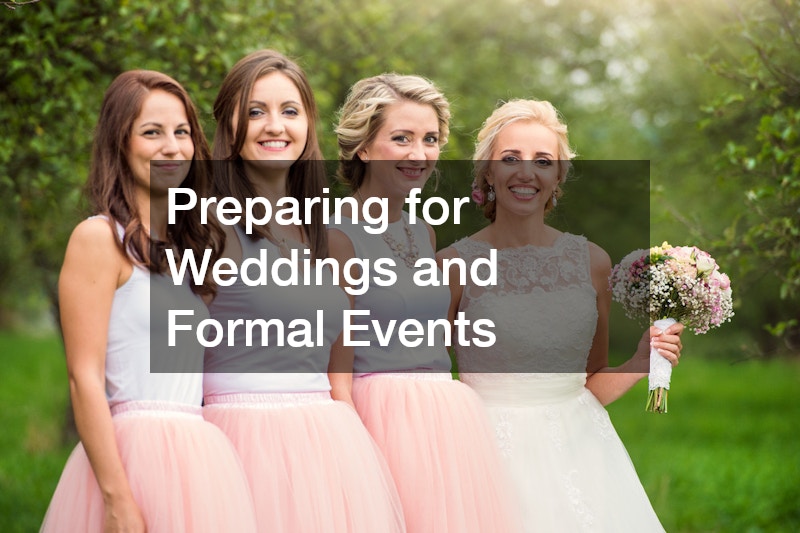
Formal events come with their own set of unspoken rules, and knowing them in advance saves a lot of last-minute stress. Always check the invitation for dress code language like black tie or cocktail attire, since guessing wrong can make you feel out of place all evening. It’s also worth considering the venue and season, as an outdoor summer wedding calls for lighter fabrics than an indoor winter reception.
If you’re part of the wedding party or simply want great photos of the day, remember that colors and patterns can read very differently through a camera lens than in person. Talking to the couple’s wedding photographer ahead of time, or at least reviewing their preferred color palette, can help guests avoid clashing with the overall aesthetic. Small choices, like avoiding busy prints, tend to photograph much better in group shots.
- Confirm the dress code before shopping for the event
- Choose breathable fabrics for outdoor ceremonies
- Avoid pure white or overly bold prints unless instructed otherwise
- Bring a light layer for temperature changes during evening receptions
Coordinating Your Look for Milestone Celebrations
Beyond weddings, milestone celebrations like anniversaries, graduations, and retirement parties often call for a similar level of planning. These events are usually documented heavily, so it helps to choose outfits that photograph well under both natural light and indoor flash. Simple, well-fitted pieces in solid colors tend to hold up better across dozens of candid shots than anything overly trendy.
Because these celebrations often involve travel or long days away from home, it’s smart to plan the logistics early, including care for any pets left behind. Looking into pet boarding services in advance means you’re not scrambling the week of the event, and it lets you focus fully on getting ready rather than worrying about your dog or cat at home. Many venues even list nearby recommended providers if you ask the event coordinator directly.
- Choose solid colors over busy patterns for group photos
- Confirm timing details so you can plan hair and outfit prep accordingly
- Arrange pet care logistics at least a few weeks ahead
- Pack a small emergency kit with safety pins and stain remover
Packing and Planning for Travel or Time Away

Travel, whether for work or leisure, requires a slightly different approach to dressing since you’re working with a limited suitcase rather than a full closet. The key is choosing pieces that layer well and can be dressed up or down depending on the day’s plans. Sticking to a tight color palette means fewer items can create more outfit combinations.
If you’re heading out of town and have a pet at home, sorting out pet boarding well before your trip removes one of the biggest sources of last-minute travel stress. Booking early also tends to give you more flexibility with dates and facilities, especially during busy holiday seasons. This kind of planning mirrors good wardrobe prep: the more you handle in advance, the calmer your actual trip feels.
- Pack versatile basics that mix and match easily
- Roll clothing to save space and reduce wrinkles
- Bring one dressier outfit in case plans change unexpectedly
- Confirm your pet care arrangements before finalizing travel dates
Casual Confidence for Weekends and Downtime
Personal time is where a lot of people either over-relax or feel unsure of how to dress once there’s no dress code to follow. The goal on weekends isn’t to abandon style altogether but to shift toward comfort without looking sloppy. Well-fitted joggers, soft knits, and clean sneakers can look just as intentional as office wear when chosen thoughtfully.
Weekend dressing is also a good opportunity to experiment with pieces you might not wear to work, like bolder patterns or brighter colors. Since there’s less pressure, it’s a low-risk way to figure out what you genuinely enjoy wearing versus what you wear out of habit. Over time, this experimentation often shapes your everyday style more than any single shopping trip.
- Choose elevated basics like a clean t-shirt and well-fitted denim
- Keep one casual jacket on hand for cooler evenings
- Use weekends to test new colors or silhouettes
- Prioritize comfortable, quality footwear for errands and outings
Enjoying Social Outings and Date Nights
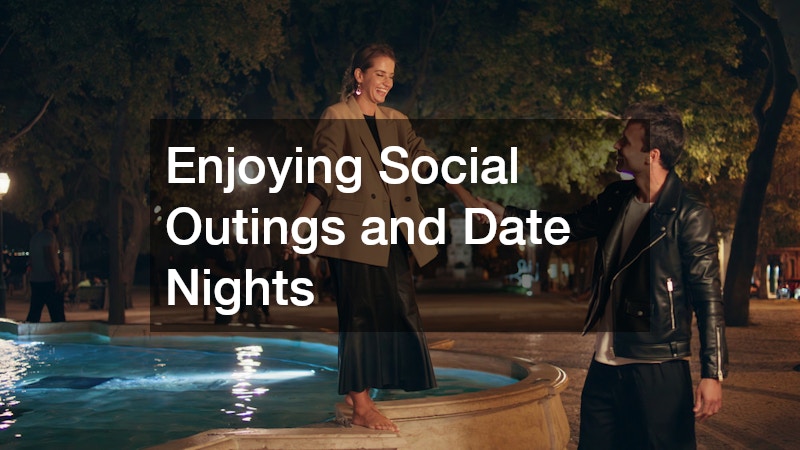
Dining out is one of the more common social situations where people feel unsure of what’s appropriate to wear, especially at unfamiliar venues. A good rule of thumb is to check the restaurant’s general atmosphere online beforehand, since some of the best restaurants in a city lean upscale while others are more relaxed and casual. Photos from other diners on review sites often give a clearer picture than the restaurant’s own website.
For date nights or dinners with friends, a smart-casual outfit tends to work across most settings without feeling overdone. Layering a blazer over a simple shirt, or choosing a well-fitted dress with minimal accessories, allows you to adjust quickly if the venue turns out more formal than expected. This flexibility takes the guesswork out of an evening meant to be enjoyable rather than stressful.
- Research the venue’s typical dress style before you go
- Choose smart-casual pieces that adapt to different settings
- Keep a light jacket handy for cooler evening walks
- Save trendier pieces for venues with a more relaxed vibe
Accessorizing and Personal Touches
Accessories are often what separates a good outfit from a memorable one, yet they’re frequently the last thing people think about. A well-chosen watch, simple jewelry, or a quality bag can tie together looks across work, events, and casual time without requiring an entirely new wardrobe.
The key is consistency, choosing a few versatile pieces rather than buying something new for every occasion. A capsule of five to seven accessories—one classic watch, a pair of understated earrings, a versatile bag in a neutral tone, a leather belt, and one statement piece like a scarf or bold necklace—can cover nearly every scenario you’ll face.
Consider material and color when building this collection. Leather goods in black, brown, or tan pair easily with most outfits, while gold or silver jewelry (pick one to stay consistent) works across both professional and casual settings.
Finally, let context guide subtle adjustments: swap a structured bag for a crossbody at events, or add a pop of color through a scarf during personal time. These small shifts keep your core wardrobe intact while still feeling intentional for each setting.
Scent and small grooming details also count as accessories in a sense, since they shape how others perceive you before a word is even spoken. A signature fragrance applied to pulse points—wrists, neck, or behind the ears—reads as intentional, while a heavy cloud sprayed from a distance often overwhelms a room. One or two sprays is usually enough for a workday; save a slightly stronger application for evening events where the scent has more room to dissipate.
Clean, polished shoes and well-maintained hands round out an outfit in ways that are easy to overlook but simple to fix. A quick wipe-down or polish before a meeting, trimmed and neat nails, and smooth, moisturized hands all signal attention to detail without saying a word. Even small things like a fresh haircut or tidy brows contribute to this same impression of care.
These finishing touches are often what people remember most after an event, sometimes more than the outfit itself. They cost little in time or money compared to clothing, yet they consistently separate a put-together look from one that simply looks expensive.
- Choose 2 to 3 signature accessories, like a leather watch, a simple pendant, or a structured bag, that transition easily from the office to dinner plans
- Keep shoes clean and well maintained at all times; wipe scuffs weekly and resole heels before they wear down to the base
- Use fragrance sparingly for a subtle, lasting impression, applying just one or two sprays to pulse points like the wrists or neck
- Rotate accessories seasonally to keep looks feeling fresh, swapping lightweight scarves and woven bags in summer for leather gloves and wool hats in winter
- Match metal tones consistently, sticking to either gold or silver across jewelry and hardware to avoid a mismatched appearance
Dressing confidently across every part of life comes down to preparation, a few reliable staples, and small consistent habits rather than an overhauled closet. Start by auditing what you already own, book any grooming appointments you’ve been putting off, and plan ahead for events or trips so you’re never caught off guard. With a bit of foresight, work meetings, weddings, weekend errands, and dinners out can all feel equally effortless. The goal isn’t perfection, just a system that lets you show up looking and feeling like yourself.
