
Disclaimer: The Lifestyle Elf. This site provides fashion and lifestyle content for informational purposes only.
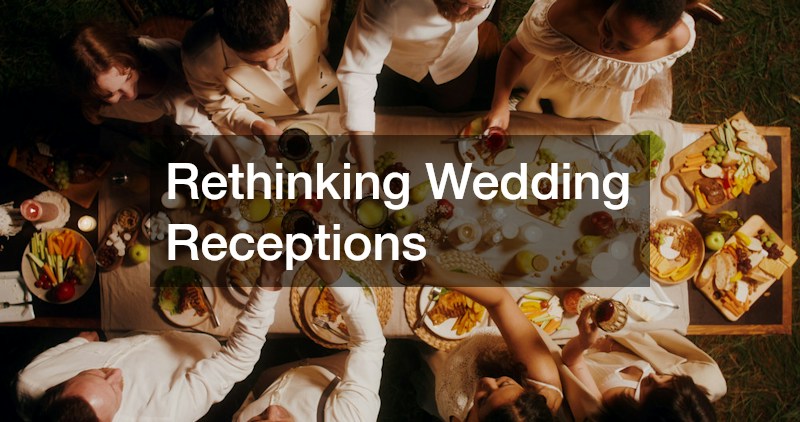
A wedding reception is often one of the most anticipated parts of a couple’s wedding day. It brings friends and family together to celebrate a meaningful milestone, share a meal, enjoy music, and create memories. However, not every couple wants the same traditional experience. While formal dinners, elaborate decorations, and packed dance floors remain popular, many people are rethinking what a wedding reception should look and feel like. Rather than following a familiar formula, couples are finding new ways to create celebrations that reflect their personalities, relationships, and priorities.
Choosing a Setting That Reflects Your Relationship
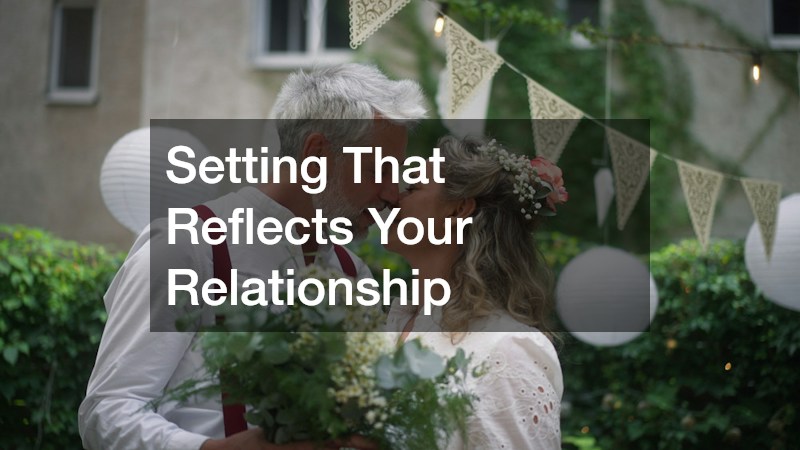
The location of a wedding reception has a significant influence on its overall atmosphere. Although traditional ballrooms and banquet halls can provide an elegant backdrop, couples have plenty of other possibilities to consider. A garden, historic property, waterfront location, private estate, or beautifully restored barn may offer a setting that feels more connected to their personalities. Some couples even choose locations that hold sentimental value, such as a place where they first met, spent time together, or celebrated an important milestone. These meaningful details can make the entire occasion feel more authentic.
When exploring wedding venues, think beyond appearance and consider how each location supports the experience you want to create. An outdoor property might be ideal for a relaxed afternoon celebration, while a historic building could provide the perfect atmosphere for a sophisticated evening. Consider guest accessibility, available amenities, weather accommodations, and the flexibility to personalize the space. A venue that supports your vision can make planning easier and help establish a consistent atmosphere throughout the celebration. Rather than selecting a location simply because it is popular, choose one that feels like a natural extension of your relationship.
Creating a Guest List That Prioritizes Meaningful Connections
A personal wedding reception begins with the people invited to share the occasion. Although large celebrations can be exciting, couples should not feel obligated to invite everyone they have ever known. A smaller guest list can create opportunities for more meaningful conversations, relaxed interactions, and memorable moments. It may also allow couples to spend more time with individual guests instead of moving quickly from table to table throughout the evening. For those who value close relationships, an intimate reception can provide an especially rewarding experience.
The size of the guest list should also influence the way the reception is organized. Smaller gatherings may benefit from shared dining tables, comfortable lounge areas, and flexible seating arrangements that encourage conversation. Larger celebrations can still feel personal through thoughtful seating assignments, welcoming introductions, and spaces designed for different types of interactions. Couples can also consider whether certain friends or relatives would appreciate being involved in meaningful parts of the celebration.
Personalizing the Details Without Overcomplicating the Decor
Wedding decorations are an opportunity to tell a story without relying on an elaborate design. Instead of choosing every detail based on current trends, couples can incorporate colors, textures, objects, and displays that reflect their shared interests. Photographs from different stages of the relationship, framed family pictures, handwritten signs, and meaningful keepsakes can add personality to the reception space. Even small details, such as custom table numbers or place cards featuring personal messages, can help guests feel connected to the celebration.
Natural elements can also make the atmosphere feel distinctive. Wedding flowers, for example, can be selected based on personal significance rather than simply choosing the most popular arrangements. A couple might incorporate blooms from a memorable vacation destination, flowers associated with a family tradition, or colors that complement their favorite season. Combining floral arrangements with candles, greenery, textured linens, and understated decorative accents can create a cohesive look. The most successful designs aren’t necessarily the most expensive or elaborate.
Making the Meal Part of the Celebration
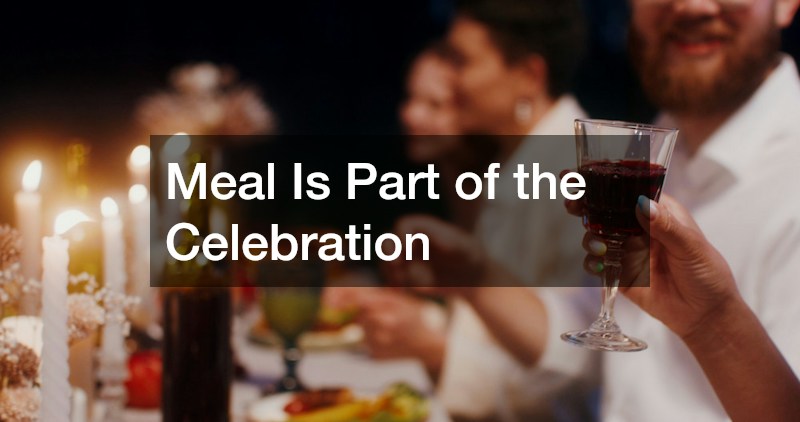
Food is often one of the most memorable parts of a wedding reception, which makes the menu an excellent opportunity for personalization. Rather than automatically choosing a formal plated dinner, couples can consider alternatives that better reflect their preferences and the atmosphere they want. Family-style meals, tasting stations, brunch menus, regional specialties, and casual outdoor dining can all create distinctive experiences. A menu inspired by favorite meals, family recipes, or places the couple has traveled together can also give guests something meaningful to enjoy.
Working with a local catering service can help couples develop a menu that feels less generic and more connected to their tastes. Experienced caterers can discuss seasonal ingredients, presentation styles, dietary accommodations, and different service arrangements. They may also suggest ways to incorporate traditional family dishes or create a menu around a particular theme.
Rethinking Entertainment and Guest Activities
Entertainment does not have to revolve entirely around a DJ, a dance floor, and a predetermined playlist. Although music and dancing remain popular reception activities, couples can introduce other experiences that encourage guests to interact and enjoy themselves. Live musicians, acoustic performances, trivia games, photo booths, lawn games, and interactive art stations can all provide alternatives. Some couples might even arrange a short performance or demonstration connected to a shared hobby.
The best entertainment choices depend on the personalities and interests of both the couple and their guests. For example, sports fans might appreciate a designated viewing area during a major game, particularly if it can be incorporated without distracting from the main festivities. Even sports bars can provide inspiration for creating a more relaxed, social atmosphere with comfortable seating, casual refreshments, and screens for entertainment. This does not mean turning the entire reception into a themed gathering. Instead, it demonstrates how couples can borrow ideas from familiar social settings to create something unexpected. Offering different activities also makes the celebration more enjoyable for guests who may not be interested in dancing all evening.
Incorporating Personal Traditions and Meaningful Moments
A wedding reception provides plenty of opportunities to celebrate the experiences, relationships, and traditions that have shaped a couple’s lives. Some people want to incorporate cultural customs, religious traditions, or family rituals, while others prefer to establish entirely new traditions of their own. These moments might include a special toast, a family blessing, a symbolic presentation, or a shared activity involving important relatives. Couples can also recognize loved ones who are unable to attend by including photographs, meaningful objects, or a brief acknowledgment during the celebration.
Personal traditions don’t have to be formal or elaborate to make an impact. A couple might display a collection of photographs showing different generations of their families, invite guests to write advice cards, or create a memory table featuring meaningful keepsakes. Even the presentation of a wedding ring or another symbolic item can become an opportunity to acknowledge the significance of commitment and shared history. These thoughtful touches help connect the wedding day to the larger story of the couple’s lives.
Designing a More Relaxed Reception Schedule
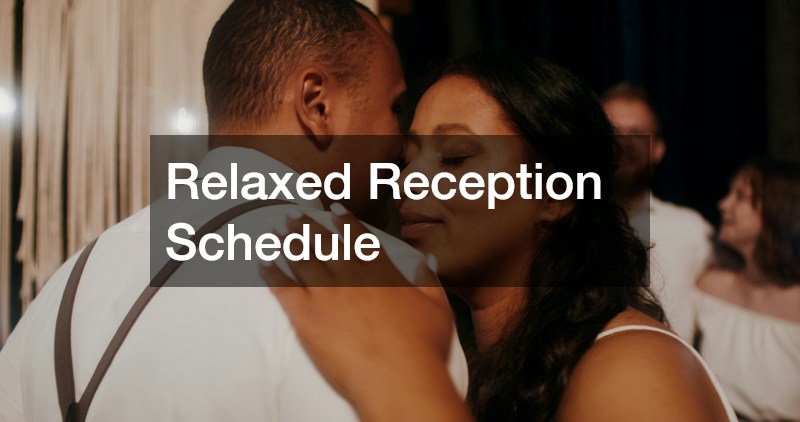
Traditional wedding receptions often follow a tightly structured timeline, with specific times assigned to speeches, dinner, dancing, cake cutting, and other activities. While organization is important, an overly rigid schedule can sometimes make the celebration feel rushed. Couples who want a more relaxed atmosphere can consider building flexibility into the evening. Allowing additional time for conversation, informal photographs, and spontaneous interactions gives guests room to enjoy themselves without constantly anticipating the next scheduled event.
This doesn’t mean eliminating the timeline entirely. Vendors, wedding catering professionals, musicians, and venue staff still need a general understanding of how the event will unfold. Instead, couples can identify the moments that matter most and allow other activities to happen more naturally.
Exploring Alternative Reception Locations and Experiences
Couples who want something different from a traditional reception may find inspiration by thinking about the types of places where they already enjoy spending time. A favorite restaurant, private garden, art gallery, winery, or neighborhood gathering space might provide a more natural setting than a conventional event hall. Some couples may even prefer to divide the celebration into multiple smaller experiences, such as an intimate dinner followed by a casual gathering with a larger group. This approach can be especially appealing to people who want to celebrate with different circles of friends and family.
When considering reception venues, evaluate how well each option supports the activities, dining arrangements, and guest experience you have in mind. A restaurant may be ideal for a food-focused gathering, while a private outdoor property could accommodate lawn games and live entertainment. Couples who love Italian cuisine might even draw inspiration from a delicious Italian restaurant they regularly visit, incorporating familiar dishes, shared dining, and a welcoming atmosphere into their reception plans. The location does not need to be extravagant to make an impression.
Adding Thoughtful Experiences Before and After the Wedding
A personalized wedding celebration does not have to begin when guests arrive at the reception or end when the final song plays. Couples can extend the experience by planning smaller gatherings and thoughtful activities surrounding the main event. A casual welcome dinner, morning-after brunch, or informal gathering with close friends can create additional opportunities to connect. These events may be particularly valuable when relatives and friends are traveling from different locations and have limited opportunities to spend time together.
There are also opportunities to make the wedding weekend more enjoyable by incorporating activities that reflect the couple’s interests. A relaxing group outing, sightseeing experience, cooking activity, or visit to a favorite local destination can help guests feel more involved. Couples might also consider arranging optional personal-care appointments before the ceremony, giving members of the wedding party an opportunity to unwind. For example, local facials could be included as part of a relaxing pre-wedding experience for those interested in participating. The key is to keep additional activities optional and manageable.
Making Transportation and Guest Comfort a Priority
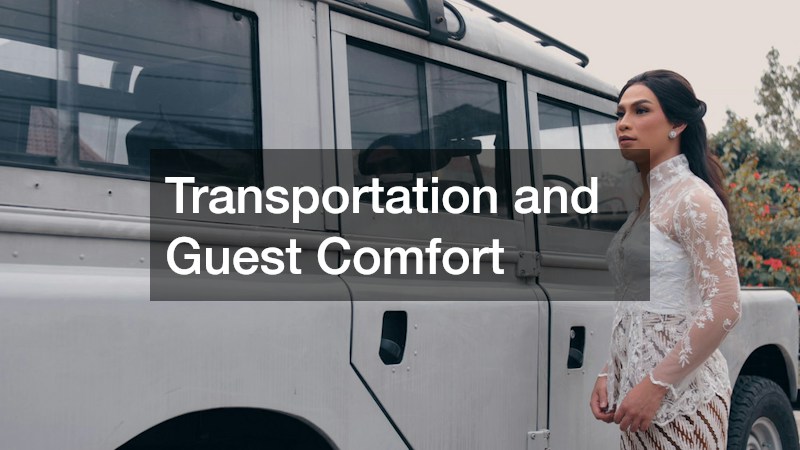
A memorable reception should be enjoyable not only for the couple but also for everyone attending. Practical considerations such as transportation, accessibility, seating, temperature, and available accommodations can have a major influence on the guest experience. Couples should think about how people will travel between the ceremony and reception, where they can park, and whether older guests or individuals with mobility concerns will need additional assistance. Addressing these details early can prevent unnecessary confusion and help everyone feel comfortable.
Thoughtful wedding transportation arrangements can make the day easier for guests, especially when the ceremony, reception, and hotels are located in different areas. Shuttle services, designated drivers, and organized pickup locations can simplify travel while reducing concerns about parking or navigating unfamiliar roads. Couples should also consider providing clear directions, sharing transportation details in advance, and identifying nearby accommodations for out-of-town visitors. Small conveniences can make a significant difference, particularly during a busy wedding weekend.
Choosing What Matters Most Instead of Following Every Trend
Wedding trends can provide inspiration, but they should not determine every decision. From elaborate photo installations to elaborate tablescapes and themed entertainment, popular ideas can be exciting to explore. However, attempting to incorporate too many trends can make a reception feel less personal. Couples should start by identifying the experiences they genuinely value. Perhaps they care most about sharing an exceptional meal, spending time with relatives, enjoying live music, or creating a comfortable environment where friends can reconnect. Once those priorities are established, other decisions become easier.
Budget considerations are another important part of choosing what matters most. A personal celebration does not require unlimited spending or an extensive collection of customized details. Couples can allocate more of their budget toward the elements that have the greatest impact on their experience while simplifying less important areas. For example, they might prioritize a meaningful location and an enjoyable menu over expensive decorations. They may also choose fewer activities but give each one more attention. Being selective helps prevent unnecessary expenses and allows the celebration to remain focused on its purpose: bringing people together to recognize an important commitment.
Couples should remember that the most memorable moments are not always the ones that receive the most attention during the planning process. They may come from an unexpected conversation, a shared laugh, a favorite song, or a meal enjoyed with people who have been part of the couple’s journey. By focusing on meaningful choices instead of expectations, couples can create a wedding reception that feels welcoming, distinctive, and true to who they are.
