

Disclaimer: The Lifestyle Elf. This site provides fashion and lifestyle content for informational purposes only.
Newly engaged couples quickly discover that one of the earliest and most consequential choices they face involves selecting the overarching geographic frame for their celebration. The moment a sparkling engagement ring shines on a partner’s finger, friends, family members, and colleagues instantly begin asking where and when the big day will take place. This initial decision triggers a domino effect across every subsequent aspect of the wedding planning process. It impacts overall financial allocations, vendor contracts, travel arrangements, guest list bounds, seasonal timing, weather contingencies, and even the daily schedule of pre-wedding gatherings leading up to the main ceremony.
Choosing between a faraway getaway and a celebration grounded in one’s hometown presents a compelling dilemma for modern couples. Some partners envision flying away with an intimate group of loved ones to exchange vows along a quiet tropical coastline, inside a mountain lodge, or at a historic European villa. Other couples feel a deep, enduring connection to their hometown roots, preferring to gather their full social circle at a familiar local event venue where childhood friends, distant relatives, and family acquaintances can easily join the party. Both paths offer distinct advantages, unique logistical demands, and varying financial dynamics. Navigating these options successfully requires a clear-eyed look at personal values, financial boundaries, and practical realities long before signing any binding vendor contracts or paying non-refundable venue deposits to lock in dates. Choosing the right setting sets the tone for everything that follows.
Decoding the Financial Footprint: Destination vs. Hometown
When analyzing overall wedding costs, destination and hometown celebrations reveal fundamentally different financial architectures that require careful study. Overseas or long-distance celebrations frequently rely on bundled pricing structures that simplify early budgeting for the host couple. Many couples opt for package offerings at all inclusive resorts, which group guest lodging, basic decor packages, standard floral arrangements, food service, and open bars into a streamlined per-person or package rate. This setup provides predictable baseline costs, especially when hosting an intimate guest count. However, total group expenditure can rise when factoring in guest flights, multi-night stay obligations, excursion fees, resort taxes, airport transfers, and local travel expenses.
Hometown weddings follow a modular financial model where every single vendor is selected, negotiated, managed, and contracted individually. Couples maintain complete granular authority over where every dollar goes, allowing them to shift funds according to personal priorities, creative preferences, and non-negotiable details. While this provides maximum control over the guest experience, costs can stack up rapidly if not monitored closely with a detailed spreadsheet. Securing independent catering, for instance, allows couples to craft highly customized multi-course menus, though it also requires separate budget allocations for service staff, specialized kitchen equipment rentals, linens, tableware, glassware, and bespoke bar arrangements. Comparing these two financial models requires looking beyond total figures to analyze how expenses are shared between the host couple and their attending guests over time. Understanding these differences empowers couples to make smart financial choices.
Navigating Wedding Logistics and Guest Experience

Logistics function as the operational spine of any wedding, and physical distance dramatically changes how that spine is built, monitored, and managed. Planning a wedding locally grants couples hands-on access to physical spaces and vendors throughout the timeline. They can visit potential sites on weekends, meet face-to-face with coordinators, taste dishes directly, review layout options in real time, and examine physical linen samples. If a couple chooses to build an outdoor celebration on private property, a family farm, or an open lawn, erecting a weather-proof wedding party tent demands significant ground-level coordination. Planners must assess ground slope, secure heavy anchorage, arrange portable power generation, install floor staging, set up lighting rigs, and map out climate control systems for changing weather.
By contrast, destination weddings shift most of the ground-level coordination onto remote event coordinators or resort personnel. This hands-off dynamic relieves couples of day-to-day setup worries and heavy physical planning, but it demands a high degree of trust in people met only through digital screens or occasional emails. Communication occurs via scheduled video calls rather than spontaneous in-person walk-throughs. Travel logistics for attendees also require thoughtful oversight and clear communication. Organizing a pre-wedding gathering at a cozy local restaurant in an unfamiliar town requires clear mapping, group transportation arrangements, dietary coordination, and precise timing to ensure guests navigate foreign roads smoothly and safely without feeling lost or overwhelmed during their stay. Clear communication prevents missteps regardless of location.
Curating Culinary Moments Across the Celebration Weekend
Food and beverage options serve as a central anchor for guest experience, shaping the overall tone, energy, and lasting memory of the celebration. A hometown wedding offers unlimited freedom to showcase regional specialties, support favorite hometown businesses, and highlight personal culinary stories. Couples can design a dining experience that reflects their shared history as a couple, from gourmet food trucks serving artisan comfort food to formal sit-down multi-course dinners accompanied by sommelier wine pairings. Bringing in an independent team for catering gives couples direct influence over ingredient sourcing, dietary accommodations, plating styles, and service tempos that reflect their personal tastes and cultural traditions.
Post-wedding gatherings offer additional ways to extend hospitality and show genuine appreciation to traveling guests after the main party concludes. Hosting a morning-after farewell gathering at a neighborhood cafe gives couples a relaxed setting to unwind with close friends and family before departing for their honeymoon. Guests can sip hot drinks, enjoy freshly baked breakfast items, share favorite memories from the dance floor, and say goodbye in a calm environment. Destination weddings, while offering convenience through in-house resort kitchens, can sometimes restrict custom menu options or charge high upgrade fees for off-menu requests. Local celebrations excel at delivering authentic, personalized dining experiences across the entire weekend for all invited guests. Exceptional food leaves a lasting impression long after the party ends.
Elevating Style and Personal Aesthetic Choices

Style decisions are intimately tied to geographic context, climate, venue architecture, and natural surroundings. A tropical coast or mountain resort naturally inspires lighter textiles, breezy silhouettes, and understated accessories that complement the surrounding scenery. Modern resort fashion often favors flowy silks, open-back dresses, linen suits, woven accents, and comfortable footwear suitable for walking across sand or stone paths. In contrast, a hometown celebration held in an ornate hotel ballroom, historic museum, art gallery, or converted industrial hall supports structured gowns, dramatic trains, heavy velvet tuxedos, intricate lace patterns, and bold color palettes that might feel out of place in a sun-drenched setting.
Jewelry choices similarly mirror the surrounding event design, formal expectations, and personal fashion aesthetic. A beachside ceremony calls for understated pieces that catch natural sunlight without feeling heavy or overly formal under the sun. Conversely, a grand indoor venue offers a perfect setting for dramatic statement pieces, such as wearing family antique jewelry that carries historical beauty, timeless craftsmanship, and sentimental weight across generations. Designing custom wedding rings allows couples to incorporate personal symbols, specialized metals, unique textures, or hidden engravings into their bands. These bespoke rings remain lasting symbols of commitment regardless of whether the wedding takes place locally or overseas. Personal style brings authenticity to any setting.
Managing Day-Of Preparation and Beauty Timelines
The morning of the wedding sets the emotional and practical pace for everything that follows throughout the day. Hometown celebrations provide the comfort of familiar surroundings during these nervous early hours. Brides and their bridal parties can gather in a trusted local salon where they have already completed trial sessions with stylists who understand their hair texture, skin type, aesthetic goals, and personal preferences. This pre-existing relationship reduces anxiety, allows for easy conversation, ensures predictable timing, and keeps the morning schedule running smoothly without unexpected surprises or last-minute confusion.
When getting married far from home, beauty preparation often relies on destination stylists or traveling teams booked through online recommendations, social media portfolios, or resort vendor listings. While these artists are experienced in handling varied bridal requests, the lack of an in-person trial run can occasionally introduce unexpected adjustments, styling changes, or timing delays on the big day. During these busy morning hours, keeping personal items secure requires conscious attention. Carefully storing a valuable engagement ring while applying hair products, makeup sprays, nail polishes, and body lotions ensures that precious jewelry stays clean, secure, and brilliant before walking down the aisle. Starting the day calmly creates a smooth experience for everyone involved.
Guest Dynamics and Accessibility Considerations
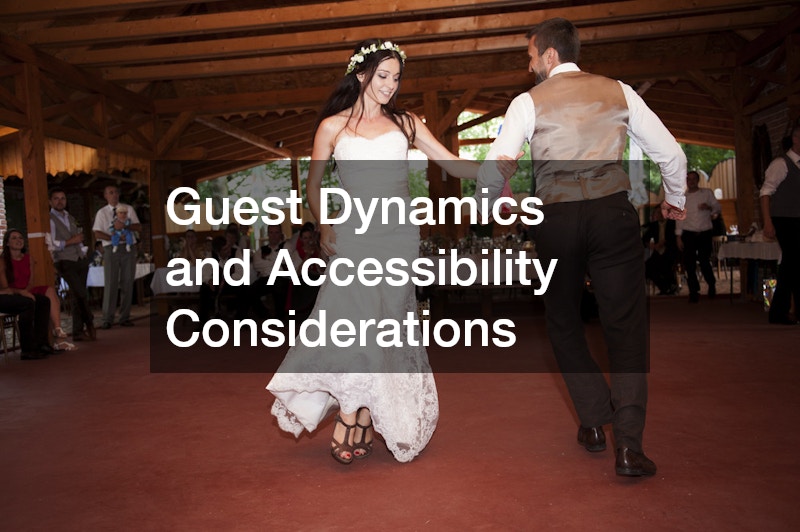
The geographical location of a wedding plays a decisive role in shaping the guest list, guest attendance rates, and overall party atmosphere. Destination weddings naturally act as a physical and financial filter for the guest list. Travel costs, flight schedules, work obligations, childcare logistics, and passport renewals mean that guest attendance typically ranges between fifty and sixty percent of those invited. This reduced turnout creates an intimate environment where couples can spend meaningful quality time with every guest, especially when staying together at all inclusive resorts where group interaction happens naturally around shared pools, sunny terraces, activity lounges, and casual dining areas.
In contrast, hometown celebrations yield significantly higher acceptance rates, often reaching eighty to ninety percent of invited guests. Relatives, family friends with young children, elderly grandparents, and guests with tight work schedules can attend without committing to long travel itineraries, missed school days, or heavy lodging expenses. Securing a spacious local event venue allows couples to host an expansive gathering without making tough cuts to their guest list. This creates a vibrant community gathering where multiple generations, childhood friends, neighbors, and social circles can celebrate together without logistical barriers or travel fatigue. Balancing guest comfort with personal vision is key.
Crafting Pre- and Post-Wedding Events
Modern weddings frequently expand beyond a single evening reception into a thoughtfully curated multi-day gathering that extends over an entire weekend. For hometown weddings, these secondary events provide a wonderful opportunity to highlight favorite local establishments that hold personal meaning for the couple. Organizing a rehearsal dinner at a cherished local restaurant gives families a cozy, intimate setting for formal toasts, slideshows, family speeches, and meaningful conversations before the main event.
The following morning, hosting a casual drop-in breakfast at a nearby cafe allows exhausted guests to grab fresh coffee, tea, and pastries on their way home or before heading to the airport. These localized touchpoints create a strong sense of place, community warmth, and hospitality, giving out-of-town guests a genuine taste of the couple’s daily life and favorite spots. While destination weddings handle multi-day events through pre-packaged resort activity menus, group catamaran cruises, and resort excursions, local events offer unmatched authenticity and personal connections to the surrounding neighborhood and city culture. Extending the celebration creates lasting memories for all attendees.
Making the Final Choice for Your Big Day

Selecting between a destination wedding and a hometown celebration ultimately requires couples to align their core priorities, financial values, and aesthetic vision. Couples who prioritize travel, intimate group dynamics, minimal DIY effort, and a hands-off planning process often thrive within a destination framework. Conversely, couples who value large family gatherings, total design control, hands-on crafting, and direct relationships with local artisans find deep satisfaction in planning a local event.
For couples choosing the local path, transforming an open lawn, private estate, or historic property with a high-end wedding party tent provides the ideal blend of outdoor romance, weather protection, and tailored comfort. Adding wooden flooring, climate control, drapery, and custom lighting transforms a simple lawn into a magnificent ballroom experience. As partners stand together under the shelter to exchange their custom wedding rings, being surrounded by their full network of family and friends offers a profound sense of warmth, joy, and belonging that long-distance events cannot easily match. Every couple deserves a wedding that matches their personal priorities.
Unifying Vision, Budget, and Experience
In the final analysis, neither a destination wedding nor a hometown celebration is inherently superior to the other. Each format offers distinct advantages designed for different personalities, budgets, lifestyle preferences, and social priorities. A wedding is a deeply personal milestone, and the chosen location should authentically reflect the couple’s story, values, and vision for their future together. Whether styling the bridal look with heirloom antique jewelry or choosing minimalist modern accents, every choice contributes to a cohesive narrative.
Successfully navigating the planning process requires open communication, clear financial boundaries, realistic expectations, and thoughtful consideration of the overall guest experience. From morning beauty sessions at a trusted salon to the final farewells at the end of the evening, every choice shapes how the day feels and functions. By carefully weighing logistical factors, culinary preferences, financial goals, and personal style, couples can confidently select the path that best honors their unique union and sets the stage for a wonderful future. Careful planning transforms wedding dreams into a beautiful reality.
